
Roane County Mugshot Record Basics
A booking photograph identifies the subject of a particular agency record at a particular time. It does not show present custody, establish the final case result, or prove what happened after the image was taken. Tennessee's standardized booking procedure under Tennessee Code § 8-4-115 includes a photograph and fingerprints. Access to a specific image still depends on the record custodian, the Tennessee Public Records Act, and any exemption, expungement, or confidentiality rule.
The Roane County Sheriff's officially linked Citizen Connect detail may display a photo while a person is confined. TDOC FOIL may show a state-offender image or the words “No Photo Available.” Those are separate images from separate systems. A TDOC photo is not necessarily the photograph from a Roane arrest. A court exhibit and an image used in a press report also should not be labeled as the original booking photo without source confirmation.
The captured standardized Tennessee booking statute documents the official booking-photo step.
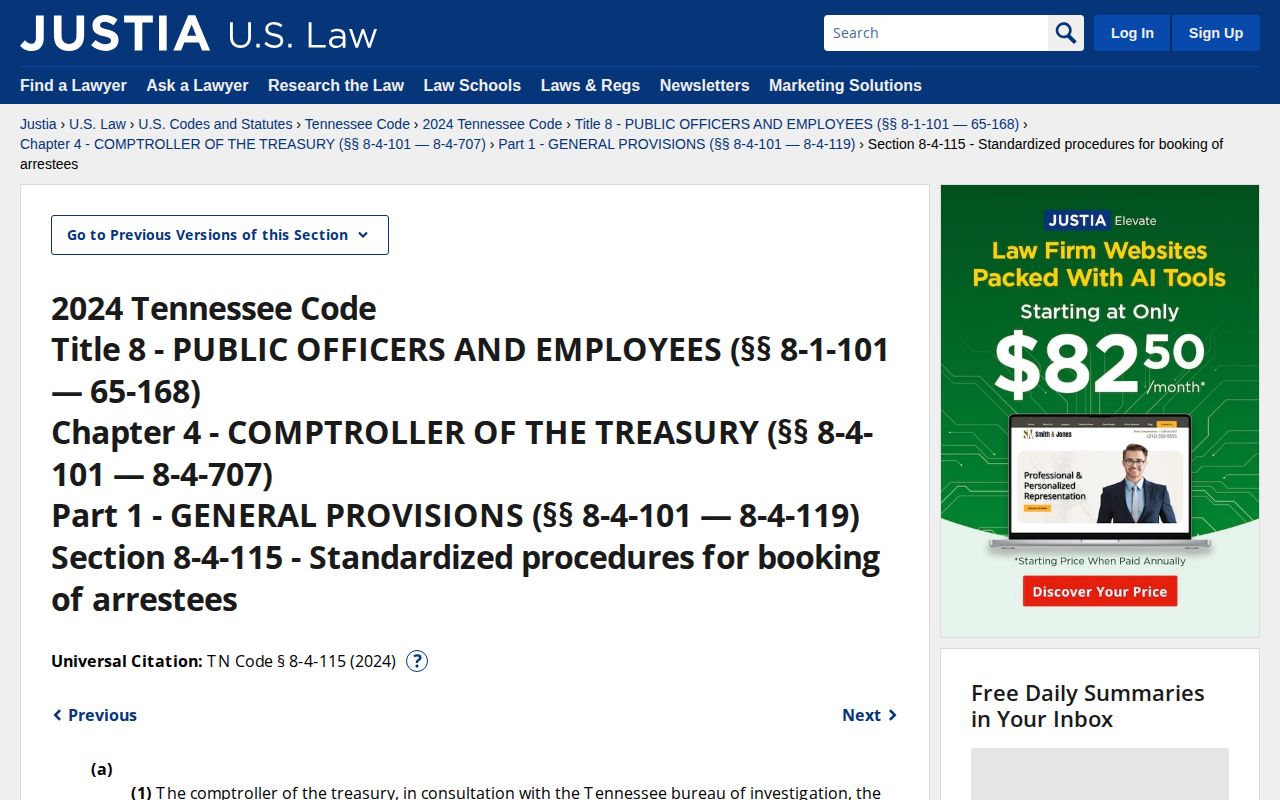
That legal source explains why the photograph belongs to a booking record, not why it would remain on a public web screen forever.
Find Roane County Released Mugshots
The correct channel depends on who made the image and whether the person was in county or state custody. Roane's public database is oriented to current confinement, not to a released-photo archive. A narrow Sheriff's records request is the stable county route after a record is no longer displayed. FOIL is relevant only when TDOC has a felony custody or supervision record.
| Channel | Has a photo? | How to access it |
|---|---|---|
| Roane Inmate Confinements | A live detail may show a booking image | Use the Sheriff-linked current confinement screen; no post-release retention is promised |
| Official Sheriff app | May display the current jail database image | Use its Jail Inmate Database route; no verified recent-release gallery exists |
| Sheriff records request | Request the available photo for a named booking | Use the county policy and written Form A when copies are sought |
| TDOC FOIL | May show an offender photo or “No Photo Available” | Search a current or former TDOC felony offender by name or ID |
| Court or official press source | Sometimes, with source-specific limits | Verify whether it is an exhibit, agency image, or another type of photo |
| News report | Sometimes | Check provenance and date; do not use it to confirm release |
| Third-party archive | May retain a stale copy | Treat it only as a lead and return to the official record |
VINE is a custody-notification system, not a dependable photo archive. Its record may help connect a person to a reporting facility and event, but the image source remains the Sheriff's file or TDOC record. For a county booking, use the county source first. For a state prison history, use FOIL and TDOC Records Management.
The Roane County release-record path can help identify which custodian holds the underlying release or transfer event before the image is requested.
Note: A photo proves neither current custody nor release, so pair it with the dated release, transfer, or court record.
Roane County Sheriff App Photos
Roane County's official Sheriff app was introduced in 2025. Its public App Store listing advertises access to the Jail Inmate Database, the sex-offender registry, alerts, news, tips, events, and a directory. The verified descriptions do not advertise a recent-release tab, a 24-hour or 72-hour photo window, or a released-mugshot archive.
The app should therefore be treated as a mobile route to current jail information. If a current inmate detail includes a photograph, the app may surface that image through the same class of custody data. Its presence today does not promise how long it will remain after the person leaves the jail. App menus can also change by version, so a claim about a release feature needs support from the live screen.
The same limit applies to the Citizen Connect Inmate Confinements screen. The Sheriff's page calls the link “Inmate Database,” while the vendor calls the function “Inmate Confinements.” Neither name turns the current list into a historical release-photo collection. The Roane County last-24-hours release page explains the official feed gap without treating a roster disappearance as release.
Request a Roane County Booking Photo
The Sheriff's records custodian is the accountable source for a historical county booking image. Roane County's public-record policy identifies the Sheriff as public-records request coordinator for Sheriff's Office records at 230 North Third Street, Kingston, TN 37763, telephone 865-376-5582. Inspection may be requested orally or in writing. A request for copies, or for inspection plus copies, must use written Form A in person or by mail. The policy requires proof of Tennessee citizenship for access.
- Identify the person with a full name and a known booking number or narrow booking date. Add another non-sensitive identifier only when needed to distinguish similar names.
- Ask for the available booking photograph tied to that booking. Also request the admission and actual release or transfer event so the photo is not detached from its record.
- Use the Sheriff's records page and Roane County Form A for copies. Specify electronic format if that is preferred.
- Provide the citizenship proof required by county policy. Ask for an itemized estimate before production when copy, labor, media, or vendor charges may apply.
- Keep the agency response and any stated redaction or exemption basis. If no record exists, ask which custodian may hold it rather than requesting a new image or list.
County policy says open records should be made promptly available. When prompt production is not practical, the custodian must provide the required response within seven business days stating the action taken or estimated timing. Inspection is free. The general county schedule lists 15 cents per black-and-white letter or legal page, 50 cents per color page, actual other-media cost, labor after one hour, and vendor cost. Because the Sheriff's page links a separate fee document, confirm the current charge before treating the county schedule as the final photo fee.
A useful request names the booking and asks for the existing photograph, actual release or transfer timestamp, disposition, destination, and charge or case number, subject to lawful redaction. The Tennessee Public Records Act gives access to records that exist. It does not require the Sheriff to compile a new released-mugshot list.
Roane County Mugshot Retention Limits
Roane's official custody interface publishes no promise that a released person's image remains online. It also publishes no 24-hour or 72-hour retention window. Removal from Citizen Connect is not proof that the underlying booking photograph was destroyed, expunged, or sealed. Web visibility and legal record retention are different questions.
The Office of Open Records Counsel explains that local retention and destruction follow adopted schedules developed with state and local records-management guidance. No exact Roane series period for adult booking photographs was verified. Ask the Sheriff for the adopted schedule and specific series covering the booking file, jail register, release transaction, and photograph. If a record was disposed of, ask for the schedule and authority used.
The stable fallback is therefore a named booking-photo request, not a commercial archive. Third-party collections can preserve an old image after the source changes, confuse an arrest with the present case outcome, or demand money for removal. No commercial mugshot publisher, data broker, or pay-to-remove service is linked or endorsed. An old copy should lead back to the Sheriff, TDOC, or court for current official context.
No current Tennessee law aimed specifically at pay-to-remove mugshot websites was verified in the research. An unrelated statute must not be substituted. The governing verified sources are the public-record law, the standardized booking procedure, expungement law, and the applicable confidentiality exceptions.
Roane County State Offender Photos
A person transferred from Roane County to state custody may appear in TDOC FOIL. The detail may show a photograph or “No Photo Available,” along with identity, supervision status, location, sentence fields, hearing data, and release information. That image belongs to the TDOC offender record. It should not be called a Roane County arrest mugshot unless the source proves that provenance.
FOIL covers current and former Tennessee felony offenders, not every county booking. If the photo or status appears wrong, identify the TOMIS or SID and exact disputed field in a request to TDOC Records Management. Request the available offender photo together with the relevant release or discharge record. FOIL is the convenient index, while the maintained agency file provides stronger confirmation.
Local official press notices or reputable news may reproduce an agency photograph. They should be read as dated reports. A caption or story may concern arrest, a court hearing, or an earlier custody stage, so it cannot replace the Sheriff's release transaction or TDOC discharge record. Court exhibits also are not automatically booking photos. Always preserve the image credit and publication date.
Note: The TBI registry covers only people with a separate statutory registration duty and is not a general released-inmate photo source.
Roane County Mugshot Access Changes
The Tennessee Public Records Act guidance explains access to existing public records, while Tennessee Code § 10-7-504 collects confidentiality rules and cross-references. Booking photographs can be subject to an applicable exemption, lawful redaction, expungement, or a protected juvenile rule. Open portions of a record can remain available even when protected details are removed.
The manifest capture below comes from that official Tennessee public-record access guidance.
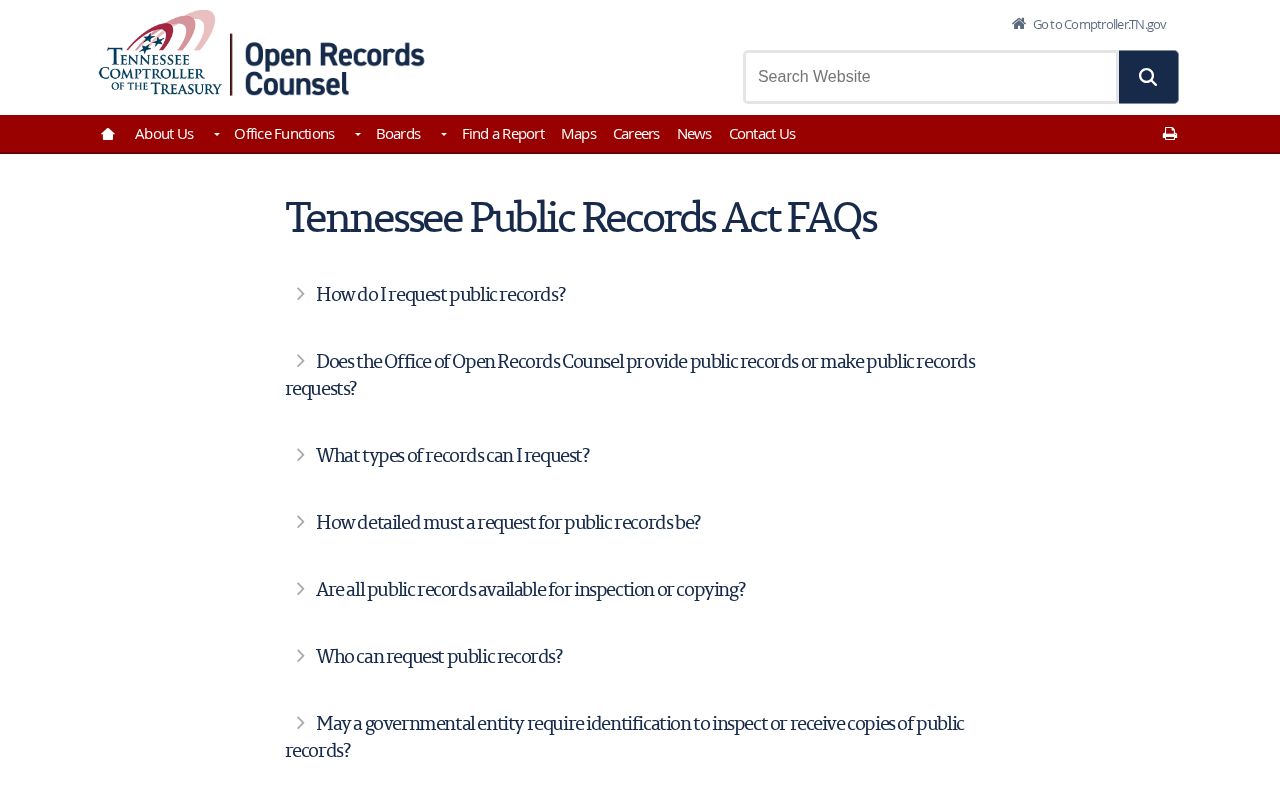
It supports requesting the official record while recognizing that a specific exemption can limit what the custodian releases.
Expungement under § 40-32-101 is a legal process with outcome-specific conditions. Release, dismissal, acquittal, or the passage of time does not by itself guarantee deletion. When a case qualifies and the court grants relief, access to related records may change. Ask the Roane court clerk about the public case and the Sheriff about the open part of its own record. Do not reconstruct protected material from old mirrors.
Corrections should also go to the originating office. Give the Sheriff a booking number, dates, and the precise photo or field disputed. Give TDOC the TOMIS or SID and exact state record item. A request for the source record and correction process is more precise than a broad demand to remove an image from every system.